Regenerative medicine: between hope and evidence.
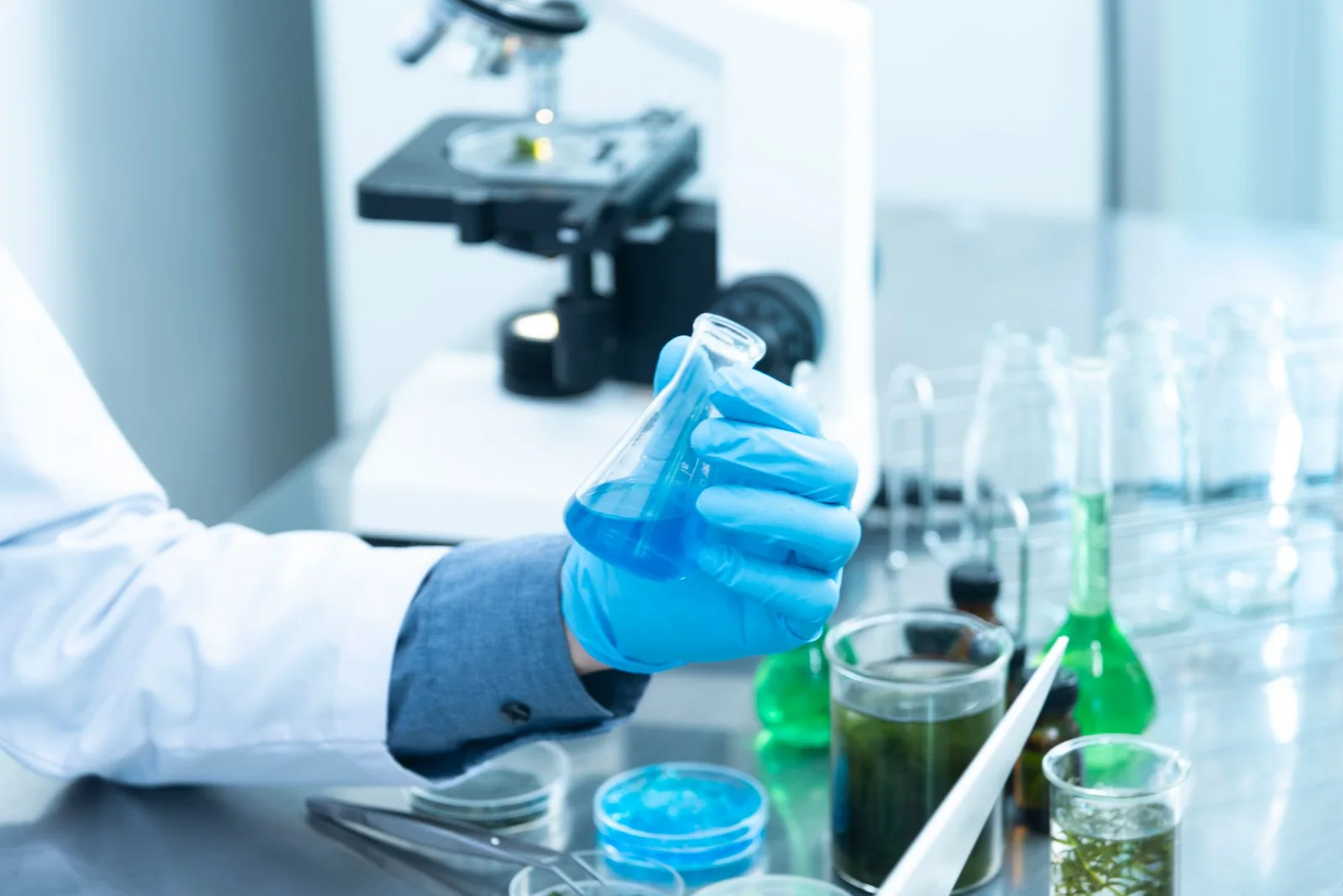
When we encounter a new medical approach, what should we hope for—and what should we ask? This fictional conversation introduces Dr. Yu Fujimori, an imagined physician and regenerative medicine researcher, to explore the distance between research and care. It is a sample story for Human Crossroads, not an actual interview.
Yu Fujimori
Physician & regenerative medicine researcher — fictional character
An invented guest whose interests connect laboratory research with patients’ everyday lives. This character is not associated with a real individual or institution; no real qualifications, appointments or clinical achievements are being claimed.
CHAPTER 01
What do we mean by possibility?
Regenerative medicine carries a great deal of hope. What perspective would you bring to it?
It is a field that seeks to repair or replace damaged cells and tissues. But the phrase does not describe a single, finished treatment. The questions we need to ask depend on both the condition and the approach.
I would give “What do we know now?” as much attention as “What might become possible?” There is the language of tomorrow, and there is the language that supports a decision today. A physician needs to connect the two carefully.
What does it take to bring a laboratory finding into patient care?
An interesting experimental result is not the same as evidence that a treatment is effective and safe in people. That requires clinical investigation.
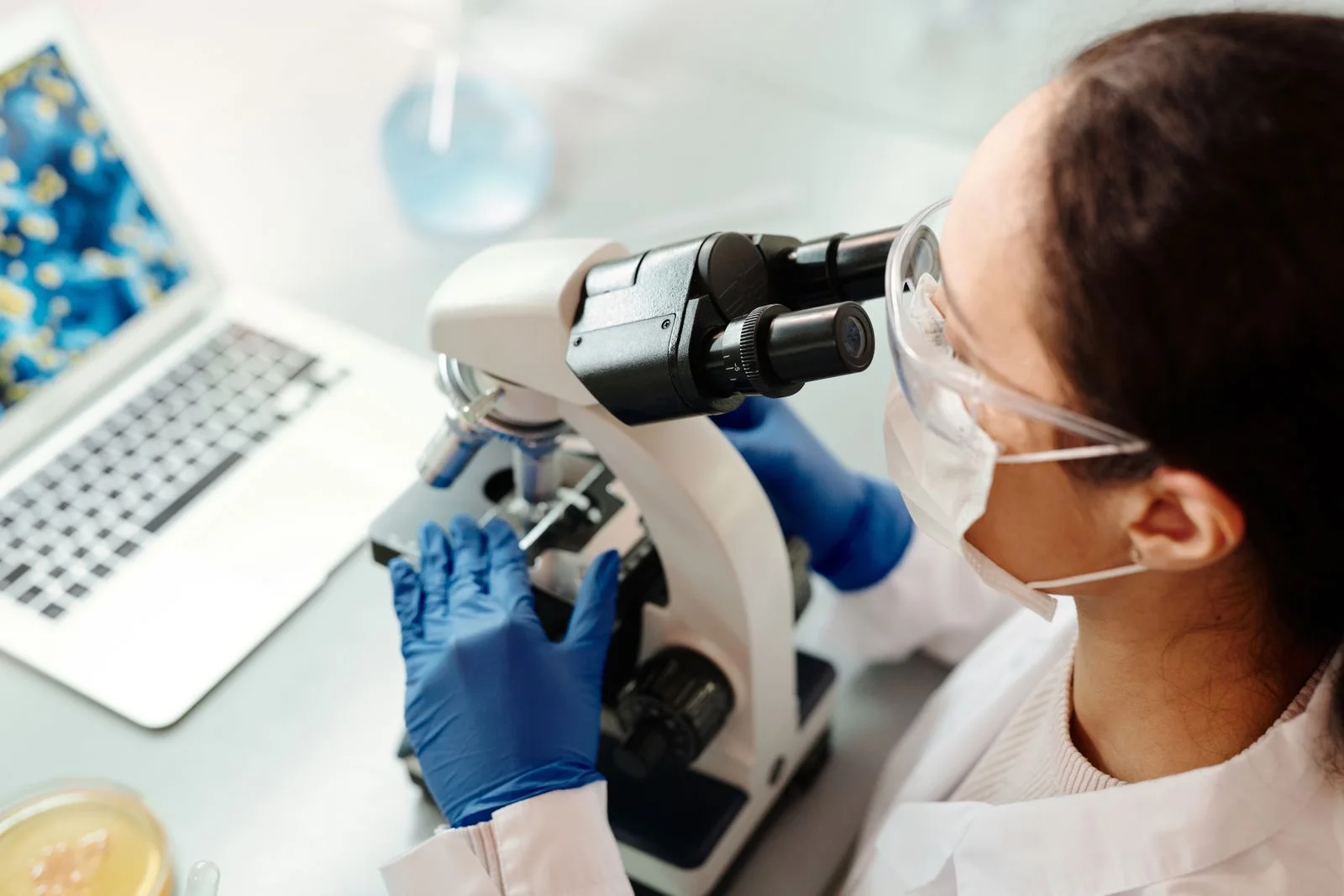
I imagine research as building a bridge. Seeing the opposite bank does not mean we can already cross. We need to establish the foundations, step by step. That patient work is part of what makes research valuable.
CHAPTER 02
Making room for what we do not know.
Where would you begin when someone asks about a new treatment?
With their life: “What is troubling you?” and “What would you like to be able to do?” The same question about a treatment can come from very different personal circumstances.
Then we can discuss potential benefits, risks, uncertainties, alternatives and the practical costs in time and money. I would want the person to feel able to ask questions in their own words, rather than simply listen to an explanation.
Is it difficult to say that something is still unknown?
It can be. But reassurance created by hiding uncertainty is different from trust built by sharing it.
We can say, “This is what we know, and this is what is still being investigated.” That distinction makes hope more realistic. People also need space to take information home, consider it and speak with another physician if they wish.
CHAPTER 03
The everyday life beyond the science.
What future would you like to see for regenerative medicine?
One where we talk more specifically about whose difficulties an approach might help, rather than only its name. Researchers, clinicians and patients all bring different questions.
The questions that arise at a laboratory bench and in a consultation are not identical. Bringing them into conversation, rather than smoothing away the differences, may help us find the next question worth studying.
What would you say to a reader encountering new medical information?
Keep your hope, but also keep your questions. Asking “What is the evidence?” or “What does this mean in my situation?” is not impolite.
Care should leave room for an exchange of questions. Protecting that time is part of the physician’s responsibility, too.

Keep hope and evidence together, at the heart of the conversation.
AFTER THE CONVERSATION
After the conversation
This fictional dialogue explores an approach that begins with people’s everyday lives, even when discussing new technology. Scientific progress and the time someone needs to make an informed choice both deserve attention.
Human Crossroads is a space for perspectives to meet. This sample demonstrates the series’ reading experience; neither the interview nor this afterword records Dr. Chihara’s actual statements or opinions.
Interviewer
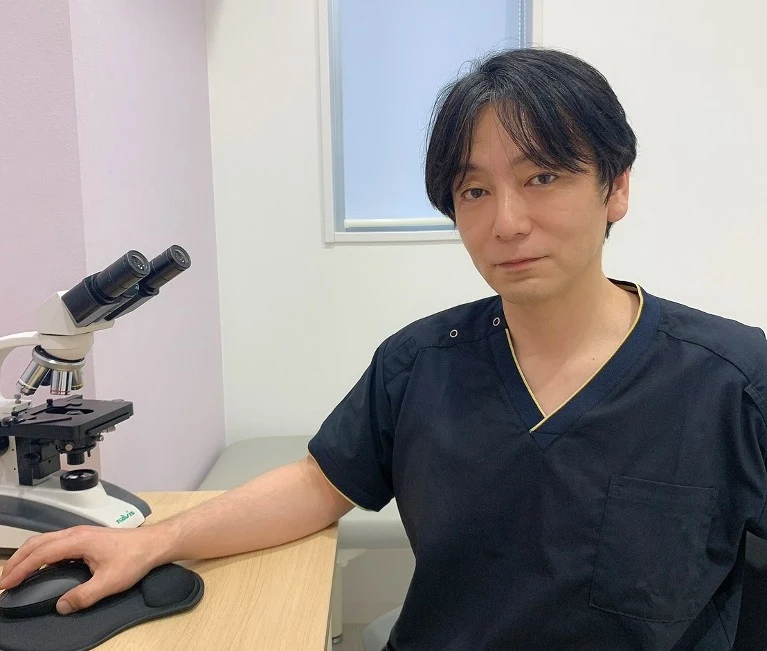
Yoshitomo Chihara
Physician, PhD and director of Norris Beauty Clinic. His background spans urology, cancer research in the United States, molecular pathology and aesthetic medicine.
About Yoshitomo Chihara ↗Production credits
Fictional editorial sample: the guest, questions, answers, quotation and afterword are invented. They do not represent Dr. Chihara’s actual statements, views or clinical practice. Photography: Chokniti Khongchum, Edward Jenner and Pixabay / Pexels. People in stock photographs are not the speakers. Medical passages provide general information, not a recommendation for individual treatment or a promise of results.