YOSHITOMO
CHIHARAPHYSICIAN & PHD

REGENERATIVE MEDICINE

Regenerative medicine

Hope matters. So do evidence, uncertainty and informed consent.

Regenerative medicine includes approaches involving cells or blood-derived components and the body’s repair processes. Purpose, evidence, regulation, cost and risk vary by treatment; they should not be treated as one category.

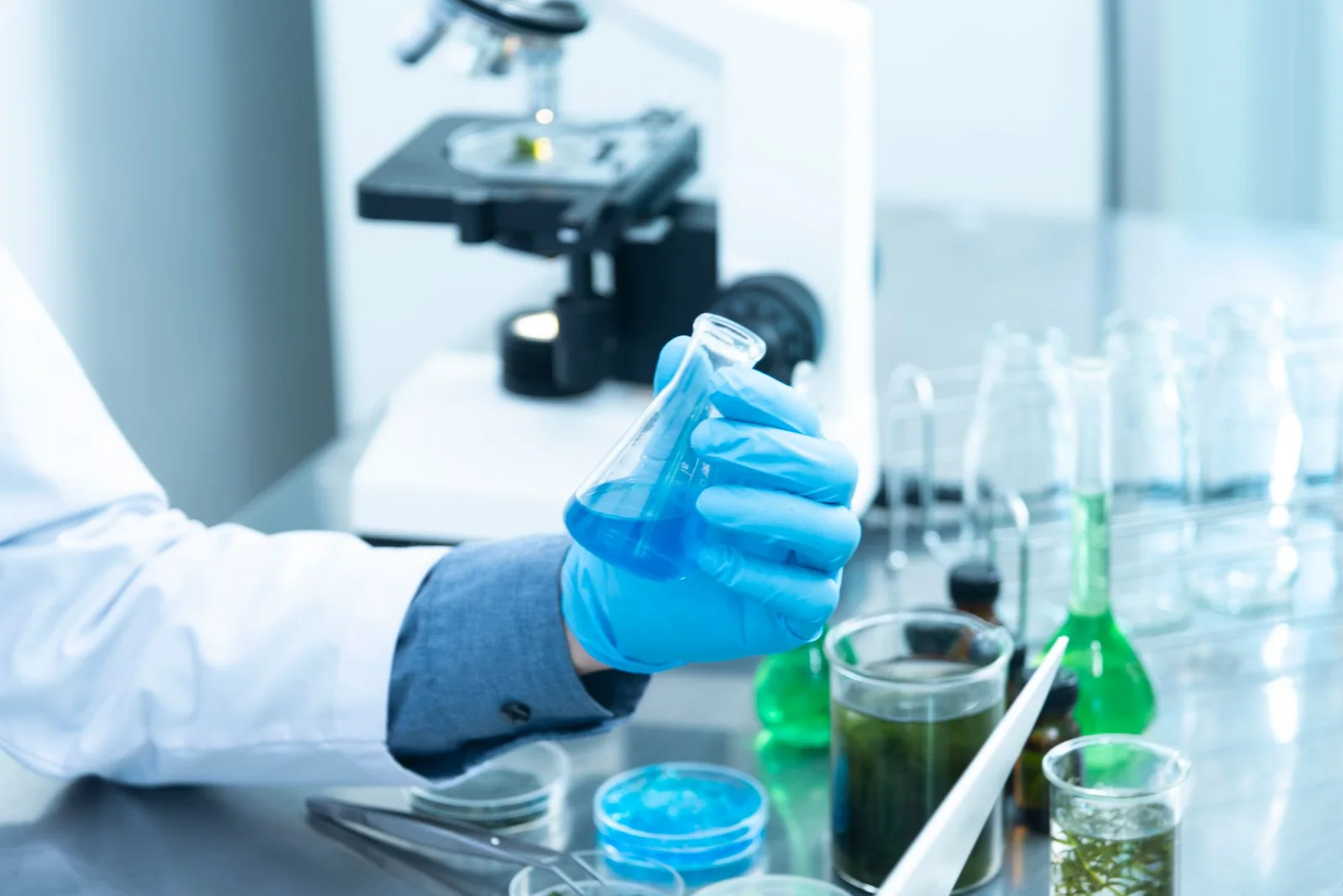
A gloved hand holding a flask beside laboratory equipment; illustrative research photograph.
Illustrative stock photograph · Chokniti Khongchum / Pexels

01 / FIND YOUR CONCERN

Start with your concern

Choose a topic to explore the approach, course and considerations. Suitability is assessed in consultation.

Three approaches. Different materials and processes.

Stem cells

Patient's fat → cell culture → administration

PRP

Patient's blood → plasma separation → injection

Culture supernatant

Culture fluid → preparation → administration

Evidence, risks and approval status differ. Assess the purpose and preparation alongside alternatives.

02 / IN DETAIL

Treatment guide

Skin changes & chronic pain consultation

Autologous adipose-derived cells

Cells from the patient's fat are cultured for administration. The clinic describes skin injections and chronic-pain infusions; eligibility and evidence are indication-specific. Indicative targets include pain lasting or recurring beyond three months, or continuing more than a month after its cause has healed.

Risks & considerationsDiscuss collection/injection pain, bleeding, infection and fever. Autologous does not mean risk-free; confirm processing controls and emergency arrangements.

Fine lines & skin quality

Platelet-rich plasma (PRP)

Blood is drawn and processed to separate platelet-rich plasma for injection. This does not involve culturing stem cells; preparation and volume matter.

Risks & considerationsBruising, redness, swelling and pigmentation are possible. Disclose anticoagulants, bleeding disorders, pregnancy, cancer and immune conditions; do not stop medicines yourself.

Understand the product and evidence

Culture supernatant & exosomes

Supernatant contains substances released during cell culture; exosomes are small cell-released vesicles. These are not synonyms or living stem-cell treatment. The official page describes a concentrated culture supernatant containing growth factors such as EGF, IGF, TGF-β, PDGF, HGF, VEGF and KGF.

Risks & considerationsDiscuss pain, swelling, bruising, allergy and infection. A July 2024 MHLW notice reported no approved medicines of this kind and highlighted safety concerns and uncertainty. The official page notes the products are cultured in serum-free media and have undergone safety tests including intradermal reaction, toxicity and antigenicity.
03 / YOUR VISIT

From consultation to follow-up

  1. Clarify the goal and current condition

  2. Review evidence, scope and alternatives

  3. Confirm risks, cost, follow-up and consent

  4. Monitor the course after treatment

Cultured-cell treatment requires around one month of culture according to the clinic. Plan collection, administration and follow-up separately; PRP and supernatant have different workflows.

04 / FEES

Fees at a glance

Selected published fees, in Japanese yen including tax—not a complete price range or total quote. Elective self-pay care is not covered by Japanese public insurance. Confirm eligibility, session count and consultation, anaesthesia, test and medicine charges.

Clinic information checked:
Item & conditionsFee, tax included
Stem-cell care / initial consultation¥11,000
Stem cells / local skin injection, 25 million cells¥1,331,000
Stem cells / chronic pain infusion, 100 million cells¥1,881,000
PRP / 1 cc / standard¥33,000
PRP / 3 cc / standard¥55,000
Culture supernatant / exosome infusion¥66,000
Exosome skin-booster injection / standard¥88,000

The published stem-cell administration fees include tests, fat collection and culture. Repeat treatment and patients without Japanese public health insurance have different prices. Interpreting requires advance booking and an extra fee. Supernatant/exosome efficacy and safety remain uncertain.

All clinic fees & conditions (Japanese) (opens in a new tab)

05 / QUESTIONS

Common questions

Are stem cells, PRP and exosomes the same?

No. Cultured cells, processed blood plasma and culture-derived substances involve different materials, preparation, evidence and costs.

Does a treatment plan guarantee effectiveness?

Plan submission and committee review are distinct from drug approval or a guarantee of benefit. Ask about the specific indication, evidence and alternatives.

How should an overseas visit be planned?

For cultured-cell treatment, plan collection, culture, administration and follow-up. Confirm visits, interpreting, prices and support after returning home before travel.

06 / BEFORE YOU VISIT

Before your visit

  • Note onset, changes and previous treatments
  • Bring medicine/supplement details, allergies and medical history
  • Mention pregnancy, breastfeeding, procedures and tests elsewhere
  • Share goals, budget, visits and schedule

Contact the clinic

Appointments and medical inquiries go to Norris Beauty Clinic. Online booking and the contact form are in Japanese.

Call the clinic: 06-6772-3456

Further reading & sources

Clinic information checked:

← Back to home